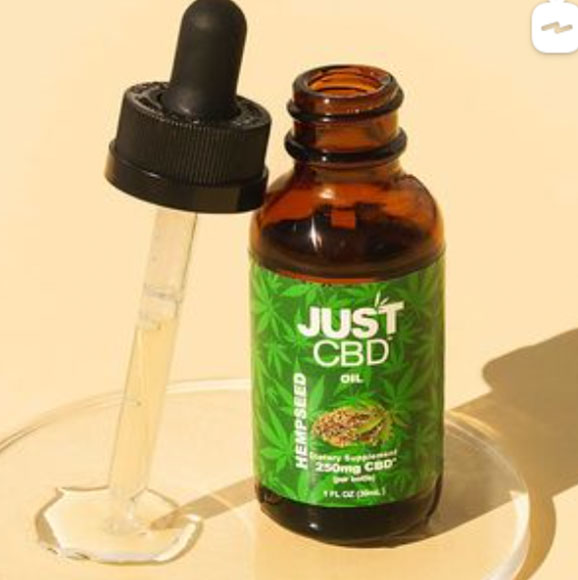

CBD and its delivery methods, including gummies, are not addictive. In fact, some studies suggest that taking CBD gummies might provide the needed distraction one needs to fight addiction. Find out more about whether gummies will make you addicted to CBD or if they can aid you to fight addiction to other substances.
The JustCBD store and many other CBD outlets deal in many CBD products, including gummies that are not addictive. They lack the intoxicating THC, which is linked to addiction because of its psychoactive nature. Did you that there are more to CBD oil gummies than taste? This article sheds light on CBD’s benefits and cons. Besides, the information in this blog helps you decide whether you can opt for Hemp gummies to manage substance abuse or if the edibles are themselves addictive. Henceforth, you can decide on whether to take CBD gummies or discontinue them if you already joined their regime.
What Is CBD?
CBD is a cannabinoid from cannabis plants mostly extracted from hemp and cannabis plants. Cannabis plants, including marijuana and hemp, boast more than 100 compounds called cannabinoids, and CBD is one. Massi et al. (2006) and Bauer et al. (2020) defined CBD as a non-psychoactive cannabinoid, forming the basis for which many CBD users find CBD and its products relatable. If cannabinoids are psychoactive or non-psychoactive, there must be many examples per category. Therefore, what makes CBD outstanding among the rest of the other cannabinoids? Besides its non-psychoactive nature, CBD might have therapeutic effects, which many want and flock to CBD. It is no wonder that many states are embracing the cannabinoid, with many stores, outlets, gas stations, and CBD specialty shops bringing in more products infused with the cannabinoid.
What Are CBD Gummies?
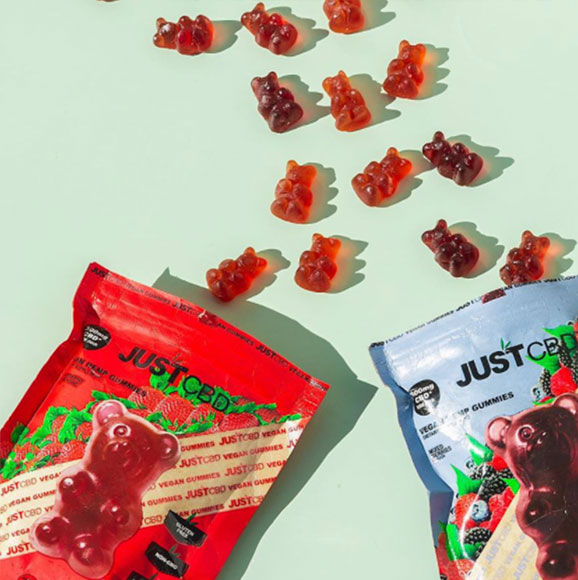
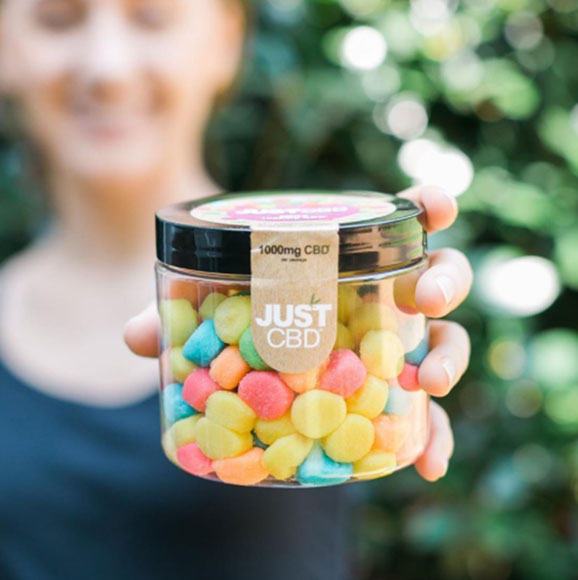
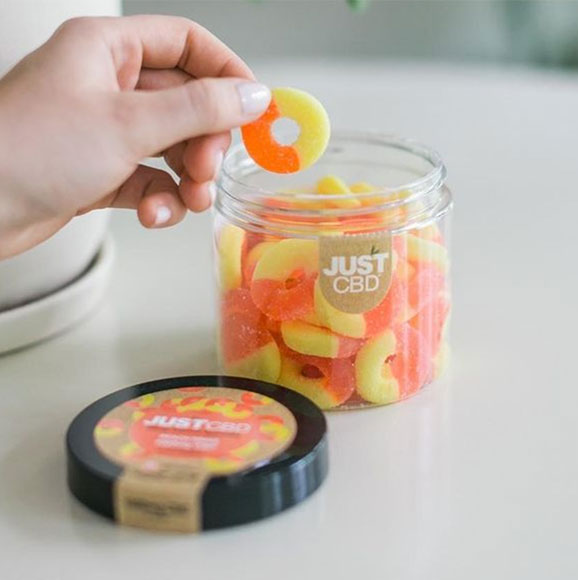
Most CBD fans may already be familiar with the CBD gummies. Gummies and CBD are not new; but the combination of the two results in a fairly new product, especially after the passing of the 2018 Farm Bill. CBD edibles are CBD-infused sweets that have flavors and colors and are great for delivering the cannabinoid in style. JustCBD gummies fall in the large category of CBD edibles, and so are gummies from other brands. Still, JustCBD gummies stand out since they are organic, are manufactured from US-sourced hemp CBD, are 3rd party tested, and their lab test results are posted online on the brand’s website under the Lab Reports section. They feature many colors, flavors, and come in bear, ring, worm, and other visually appealing shapes and options.
Benefits of CBD Gummies
CBD isolate gummies are among the popular top three CBD delivery methods, showing that they are incredibly popular. Thus, like many others, you may wonder what makes the gummies this popular. For the most part, they are visually appealing and feature many options. Yet, this does not compromise taste and flavor since they also feature multiple flavors, allowing you to enjoy CBD benefits enjoyably.
Are CBD Gummies Addictive?
There are many questions whose answers CBD fans want to know, especially when you are contemplating joining the CBD regime. For instance, do CBD gummies cause addiction? According to Schlienz et al. (2018), the psychoactive THC is the compound linked to the high effect of smoking weed, and the very one causing marijuana addiction. However, CBD is non-psychoactive and does cause high effects or addiction in the consumer. Even if you were to eat several CBD gummy bears, you would not get addicted to them. Still, it is better to keep the THC in the gummies low since the higher the THC concentration, the severer the negative effects like intoxication and addiction get.
CBD Gummies for Managing Addiction
Cannabidiol (CBD) is a chemical compound found in the cannabis plant. Some people believe that CBD can help with addiction by reducing cravings and anxiety associated with withdrawal. There is very little evidence to support this claim. CBD which is generally considered safe may have some potential therapeutic effects, it is important to note that it is not a replacement for evidence-based treatments for addiction. If you are struggling with an addiction, it is important to speak with a healthcare professional or a mental health professional for guidance on the most appropriate treatment options for your specific situation.
It is also worth noting that CBD products are not regulated by the Food and Drug Administration (FDA) and may contain other ingredients that are not listed on the label. This means that it is difficult to know for sure what you are getting when you purchase a CBD product. It is always important to be cautious when using any kind of supplement or alternative treatment, and to consult with a healthcare professional before making any changes to your treatment plan.
Will CBD Gummies Make You Fail Drug Tests?
Many people in the sports world and diplomatic fields may be hesitant about taking CBD gummies for fear of getting high from them. Others also fear that taking CBD gummies will make you fail drug tests. The preceding sections already showed that chances of getting high from any CBD delivery method are low unless they bear high THC amounts. The same is true of CBD gummies for failing drug tests. If the gummies are pure with no THC, they should not make you fail tests. However, full-spectrum CBD gummies with high THC levels (even trace amounts that surpass the threshold) will make you fail drug tests. Even so, it is worth noting that you can never be too cautious and the only way to avoid failing drug tests is by avoiding cannabis products completely, regardless of the THC composition.
CBD Gummies Cons
Gummies are the best delivery method for their taste and flavor. Still, they need time to deliver CBD to the body. Yet, the more the cannabinoid takes in the digestive tract, the more they lose their potency and become less effective. Besides, according to Bass & Linz (2020), too many CBD gummies that your system can take might make you unconscious.
Conclusion
Most hemp gummies have no THC and should not make you dependent on CBD. Besides, they should not make you fail drug tests unless they have THC. Instead of causing addiction, some studies show that they may help with substance addiction. Still, this does not mean that you should use them as a medication for cutting addiction since the FDA has not approved this use.
FAQS
References
Bass, J., & Linz, D. R. (2020). A case of toxicity from cannabidiol gummy ingestion. Cureus, 12(4).Bauer, B. A. (2020). What Are The Benefits Of CBD–And Is It Safe To Use? In Mayo Clinic.
García-Gutiérrez, M. S., Navarrete, F., Gasparyan, A., Austrich-Olivares, A., Sala, F., &
Manzanares, J. (2020). Cannabidiol: a potential new alternative for the treatment
of anxiety, depression, and psychotic disorders. Biomolecules, 10(11), 1575.
Massi, P., Vaccani, A., Bianchessi, S., Costa, B., Macchi, P., & Parolaro, D. (2006). The
non-psychoactive cannabidiol triggers caspase activation and oxidative stress in
human glioma cells. Cellular and Molecular Life Sciences CMLS, 63(17), 2057-2066.
Schlienz, N. J., Lee, D. C., Stitzer, M. L., & Vandrey, R. (2018). The effect of high-dose
dronabinol (oral THC) maintenance on cannabis self-administration. Drug and
alcohol dependence, 187, 254-260.
Shannon, S., & Opila-Lehman, J. (2015). Cannabidiol oil for decreasing addictive use of
marijuana: a case report. Integrative Medicine: A Clinician’s Journal, 14(6), 31.
Vučković, S., Srebro, D., Vujović, K. S., Vučetić, Č., & Prostran, M. (2018). Cannabinoids
and pain: new insights from old molecules. Frontiers in pharmacology, 1259.
Watt, G., & Karl, T. (2017). In vivo evidence for therapeutic properties of cannabidiol
(CBD) for Alzheimer’s disease. Frontiers in pharmacology, 8, 20.